Contact Detail
Bareilly Road, Budaun, Uttar Pradesh - 243601



Bareilly Road, Budaun, Uttar Pradesh - 243601

Picture two students sitting in the same classroom, handed back the same disappointing test. Their marks are almost identical. Their reactions are not.
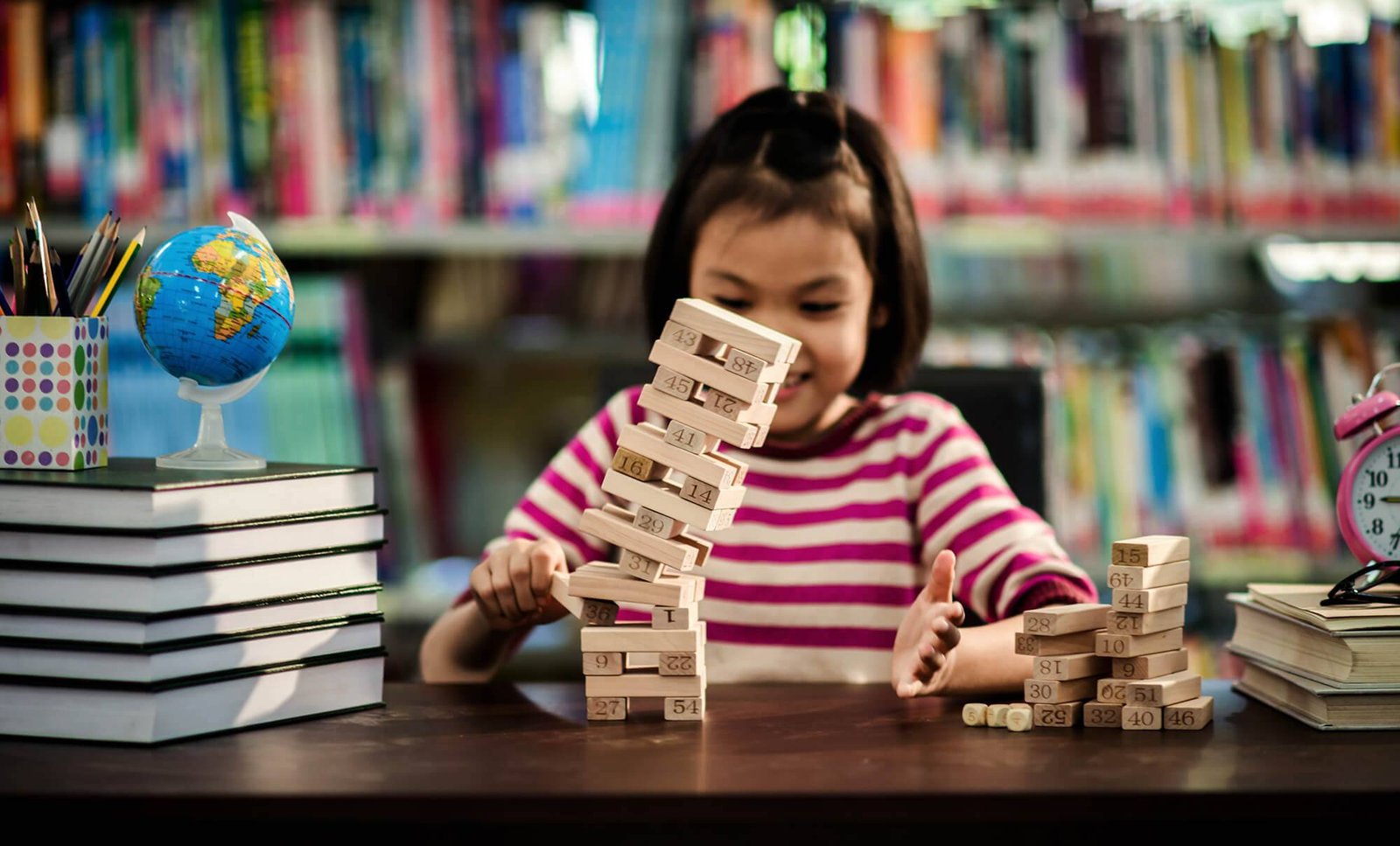
The first slides the paper into her bag and decides, quietly, that this subject simply is not for her. The second stares at the red marks for a moment, then walks up after class and asks which questions went wrong and why. Same teacher, same syllabus, same score. Two very different futures begin to take shape from that single moment.
What separates these students is not intelligence. It is what each one believes about their own ability, and at BRB Model School, Budaun, we think that belief is one of the most powerful forces in a child’s education.
Researchers who study motivation, most famously psychologist Carol Dweck, have described this difference as a fixed mindset versus a growth mindset. In plain terms, one student treats ability as a fixed trait, like height. The other treats it more like a muscle, something that strengthens with use, good guidance, and time.
Neuroscience gives this view real support. The brain keeps forming and strengthening connections as we practise and learn, which means skills we lack today are often skills we have simply not built yet. That small word, “yet”, is at the heart of everything that follows.
Mindset is not an abstract idea. It shows up in ordinary school moments.
Repeat these moments hundreds of times across a school career, and the gap between the two outlooks becomes enormous.
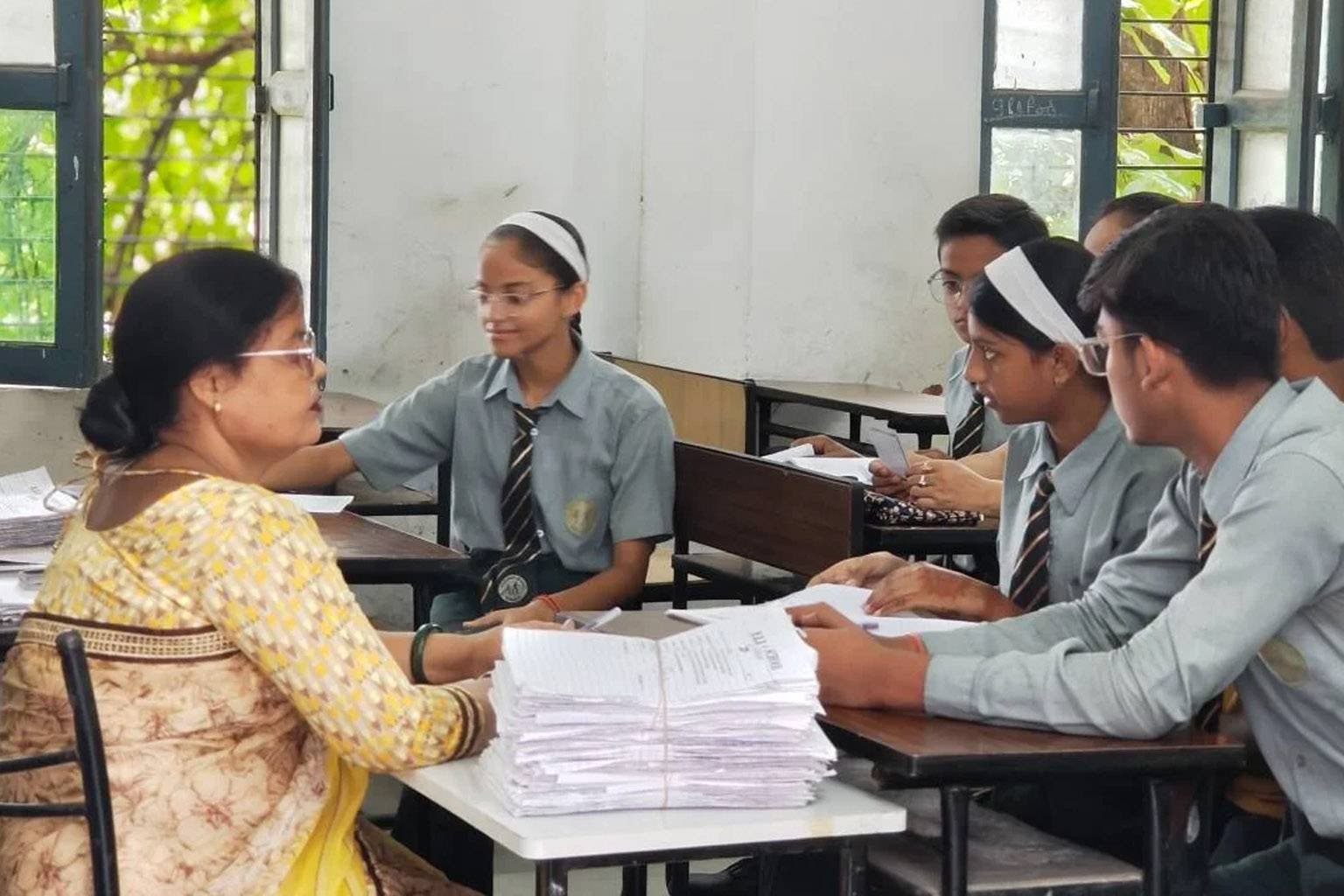
You can often recognise one within minutes. Questions are met with interest, not impatience. Mistakes are examined openly, even celebrated as the moment something new was understood. Children are invited to look at their own progress rather than at who is ahead. Teachers describe the way a student worked, such as their persistence, their clever shortcut, or the way they tried again, rather than handing out labels like “bright” or “weak.”
Such a classroom does not lower standards. If anything, it raises them, because children feel safe enough to attempt work at the edge of their ability.
It helps to be clear about what the idea does not mean.
Children pick up beliefs at home as much as at school, and small changes in everyday conversation can help.
Students can build the habit themselves. Keep a notebook where each mistake is recorded along with what it taught you. Choose one small goal each week, such as finishing a set of practice problems or reading a chapter ahead. Ask for help early rather than waiting until you are far behind. And once in a while, compare today’s abilities with those from a year ago, not with a classmate’s, and notice how much has changed.
At BRB Model School, we want every child to leave our classrooms believing that they are capable of learning difficult things and that they know how to go about it. We try to build a culture where questions are welcomed, effort is noticed, mistakes are used as stepping stones, and every student receives guidance suited to where they are right now.
A report card records what a child has done. A growth mindset shapes what a child will attempt next. We would like our students to carry the second one with them for life.
Visit BRB Model School, Budaun, meet our teachers, and see how we help children believe in their own potential.